The Sopranos · A Viewer's Companion
“Family” means two things in New Jersey. Here's who's actually blood — and who just kisses the ring.
Tony Soprano runs two families at once, and the show never stops to tell you which one it means. This chart does: maroon borders are Soprano blood, smoke-blue married (or nearly married) in, and the green strip at the bottom is the other family — the crew, who eat Sunday dinner but share no DNA. The chronic confusions are all here: Junior is Tony's uncle, not his father, and Christopher — whom Tony calls “my nephew” roughly once per episode — isn't his nephew at all.
Spoiler-safe mode is on: death markers, secret-reveal labels and finale outcomes are hidden on this chart and in the notes below. Use the “Spoilers” button in the top bar to show everything again.
Why you're confused: the show runs on doubled words
Every recurring mix-up in The Sopranos comes down to one of these five facts.
“Family” means two things — on purpose
Tony tells Dr. Melfi he's in “waste management.” He's actually the boss of New Jersey's DiMeo crime family and the head of a suburban household, and the show deliberately blurs which family any given scene is about. The chart splits them: the tree above is blood and marriage; the green strip below is the crew — who show up at every christening anyway.
Christopher is not Tony's nephew
Tony calls him “my nephew Christopher” constantly. Follow the dashed line: Christopher is the son of Dickie Moltisanti, Carmela's cousin — so he's Carmela's first cousin once removed, and Tony's blood relative not at all. Tony reveres the late Dickie as a mentor, so “nephew” and “uncle” are titles of affection — which is exactly why the betrayal in Season 6 lands so hard.
Junior is Tony's uncle — and his boss, sort of
Corrado “Junior” Soprano is the older brother of Tony's dead father, Johnny Boy. In Season 1 Tony lets Junior hold the title of boss as a lightning rod for the FBI while Tony runs things for real. Junior never quite grasps this — which is how the season ends with the old man trying to have his own nephew killed.
Livia: the hit came from inside the house
The defining Soprano fact, and the reason Tony is in therapy at all: his mother Livia conspired with Junior to have Tony murdered in Season 1 — payback for putting her in a retirement community (“It's a nursing home!”). She dies of a stroke in Season 3, unrepentant. Every woman Tony rages at afterward is, per Melfi, Livia.
New York is the other other family
Jersey is small-time next to the five families. The Lupertazzi family across the river — Carmine, then Johnny Sack, then Phil Leotardo — treats Tony's crew as “a glorified crew.” Every late-season war traces back to that sneer. None of these men are related to Tony; all of them are at his barbecues.
The cut to black
Holsten's diner, onion rings, “Don't Stop Believin',” a man in a Members Only jacket, Meadow struggling to park — and then ten seconds of black. David Chase has spent nearly twenty years not confirming what it means. So Tony's card carries no dagger, just a black square. You saw what you saw.
The name decoder
Half of New Jersey is named Tony, Jackie, or Johnny. Keep these apart:
Tony Soprano vs. Tony Blundetto
The two Tonys are first cousins who grew up like brothers. Tony S built an empire while Tony B (Steve Buscemi) did 17 years for a hijacking Tony S skipped — a guilt that drives all of Season 5, until Tony S ends it himself with a shotgun.
Janice vs. Barbara
Tony's two sisters. Janice — briefly “Parvati” in her ashram years — is Livia reborn: scheming, needy, and back in Jersey by Season 2. Barbara married a civilian, moved away, and appears mostly at funerals. There are a lot of funerals.
The three Apriles
Jackie Sr. — the acting boss dying of cancer in Season 1. Richie — his hot-headed brother, out of prison in Season 2, engaged to Janice until she shoots him at the dinner table. Jackie Jr. — Sr.'s doomed son, dating Meadow while trying to be a gangster. He isn't one.
Junior = Corrado = “Uncle Jun”
One man, three names. The FBI indicts “Corrado Soprano”; the family says “Uncle Jun”; the crew says “Junior.” He is Tony's uncle, never his father — the show's flashback father is Johnny Boy.
Johnny Boy vs. Johnny Sack
Two Johnnys, two families, two eras. Johnny Boy Soprano — Tony's father, dead since 1986, seen only in flashbacks. Johnny Sack(rimoni) — New York's underboss-then-boss, Tony's sometime friend, who dies of lung cancer in federal custody.
Anthony vs. Anthony Jr.
Two Anthonys under one roof: everyone just says Tony and A.J. When a cop, a teacher, or the FBI says “Anthony Soprano,” check which one is in trouble. It can genuinely be either.
Big Pussy vs. Little Pussy
Yes, really. “Big Pussy” Bonpensiero is Tony's friend-turned-informant (the boat, Season 2). “Little Pussy” Malanga is a different, mostly offscreen mobster. The nicknames are about cat burglary. Allegedly.
Dickie Moltisanti — the ghost in the chart
Christopher's father and Tony's boyhood hero, murdered decades before the pilot. He never appears, yet he explains the tree's strangest line: it's Dickie's memory that makes Christopher “family.”
The other family — at the Bing, not on the tree
No shared blood, maximum shared history. Green means crew.
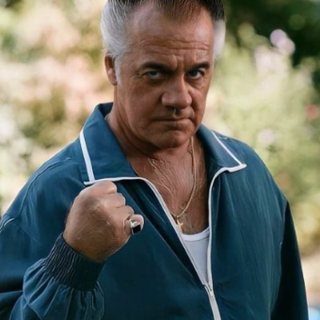
Paulie “Walnuts” Gualtieri
Silver wings, germ phobia, zero remorse. Tony's oldest soldier — and one of the very few still standing when the screen goes black.
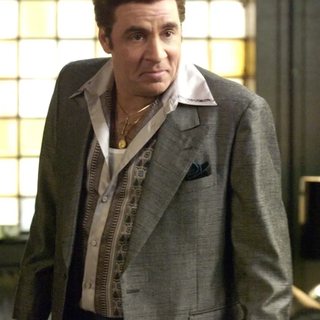
Silvio Dante
Consigliere and Bada Bing proprietor. The calm one — until the finale's war leaves him in a coma he's not expected to wake from.
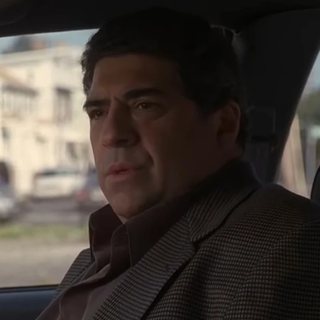
“Big Pussy” Bonpensiero †
Tony's old friend, A.J.'s godfather-figure — and an FBI informant. Dealt with on a boat in Season 2; haunts Tony as a talking fish ever after.
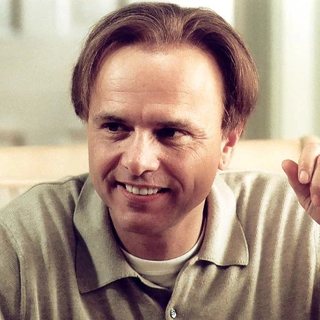
Ralph Cifaretto †
Top earner, worst human. What happens between him, a young dancer, and later a racehorse named Pie-O-My ends with Tony beating him to death in a kitchen.
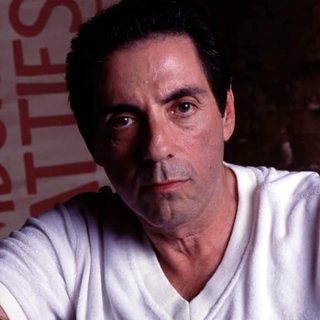
Richie Aprile †
Jackie Sr.'s brother, out after ten years and engaged to Janice — which is how he ends up shot at her dinner table instead of whacked by professionals.
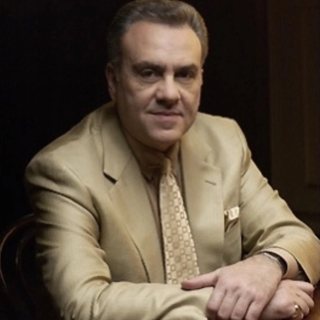
Johnny Sack †
New York's underboss, then boss. Devoted to his wife Ginny — mock her at your peril. Arrested at his daughter's wedding; dies of cancer inside.
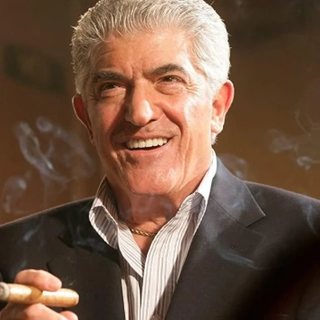
Phil Leotardo †
Johnny Sack's successor and the finale's antagonist — the war he starts kills Bobby and fells Silvio, before a gas-station hit (and an SUV) ends him.

Dr. Jennifer Melfi
Tony's psychiatrist for eight years — the one room where both families get discussed. She finally, quietly, shows him the door in the last episodes.
Scope: all six seasons (1999–2007), spoilers through the finale — which is why the dagger count on this page is so high; The Sopranos buries more of its main cast than almost any show on television. Tony Soprano alone gets a black square instead: the cut to black at Holsten's is unresolved by design, and this chart isn't going to be the one to settle it. Portraits are stills from The Sopranos Wiki, cropped and served from this site so they load without an internet round-trip to anyone else.